What a mini split tune-up covers in New Mexico

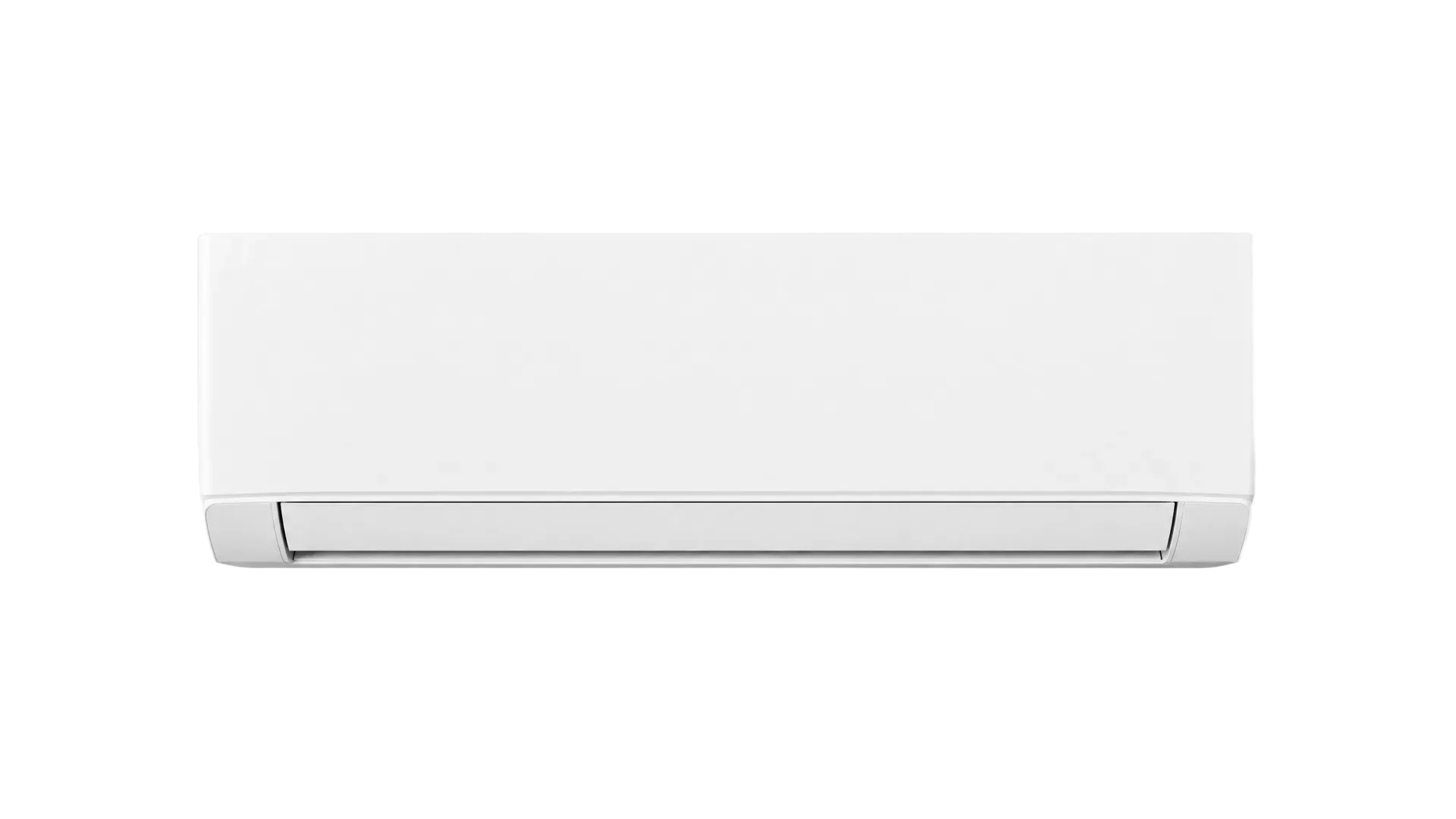
A white wall-mounted mini-split air conditioner indoor unit shown straight-on against a plain light gray background.
Match me with a pro

A mini split tune-up means a contractor cleans the indoor filters and blower wheel, washes the outdoor condenser coil, checks the refrigerant charge, and tests the drain line so it isn't clogged. They also check that the unit cycles on and off correctly and look at the electrical connections for wear. In New Mexico, the outdoor unit works hardest through the hot, dry summer, and dust from that dry air settles into the condenser coil and clogs it faster than it would somewhere humid. A clogged coil makes the system run longer to cool the same space, which shows up on your power bill. A dirty filter does the same thing on the indoor side, and it also means the air coming into your rooms isn't as clean as it should be. None of this is a repair. It's the maintenance that keeps small dust buildup from turning into a strained compressor or a system that can't keep up when it's 95 degrees outside.

A dusty, discolored wall-mounted mini-split air conditioner indoor unit on a plain white wall, with its horizontal louvers and vent grille visible.
Before you get your mini split maintenance
A white wall-mounted mini-split air conditioner on a beige interior wall, next to a window with sheer white curtains and green foliage outside.
After you get your mini split maintenance

A contractor starts by opening the indoor unit to get at the filters and the blower wheel sitting behind them. Dust builds up there long before you notice weaker airflow out of the vents. Outside, the condenser coil gets a wash with a cleaner made for it, since New Mexico dust and pollen pack into those fins and make the unit work harder than it should to move heat. Gauges go on the line set to check the refrigerant charge. A mini split can look fine and still run low on charge, and when it does, it won't cool the room even with clean coils and a clean filter. The drain line gets cleared too. Algae isn't much of a problem in a dry climate like this one, but dust and grit still settle in that line and back it up. Electrical connections at both units get checked and snugged down, since a loose one is a common reason a mini split trips its breaker for no obvious reason. Last, the unit runs through a full on and off cycle so the compressor and the thermostat sensor can be watched doing their job.

What actually happens during service

  • A contractor pulls the indoor unit's cover to reach the filters and the blower wheel behind them, since dust there cuts airflow before you notice a drop in cooling.
  • The outdoor condenser coil gets washed with a coil cleaner and rinsed, because dust and pollen packed into those fins make the unit work harder to dump heat.
  • Checking refrigerant charge means connecting gauges to the line set, since a mini split that's low won't cool right even if everything else is clean.
  • The drain line gets flushed or blown out, because in a dry climate like New Mexico algae growth is less of an issue but dust and debris still settle and clog it over time.
  • A contractor runs the unit through a full cycle, on and off, to confirm the compressor starts properly and the thermostat sensor is reading the room correctly.
  • Electrical connections at the indoor and outdoor units get checked and tightened, since a loose connection is a common reason a mini split trips its breaker.
A gray-haired bearded man in a dark coat and scarf dusted with snow stands smiling in a dimly lit entryway with a white front door, a side table with a lit lamp, an oval mirror, and a patterned rug.
An older bearded man in a dark snow-dusted coat and gray scarf stands just inside a dimly lit home entry, with a framed picture, lit table lamp, and an adjoining room with a fireplace behind him, and snow visible through the open door.
A gray-haired, bearded man in a dark snow-dusted coat stands smiling in a dimly lit entry hall with a staircase, a lit table lamp, a framed picture, and a living room visible through a doorway.
An older man with gray hair and a beard, wearing a dark jacket dusted with snow, stands smiling in a dimly lit hallway with lamps and a living room visible behind him.

A pro who works on mini splits

Fill out one form instead of calling around for a mini split tune-up.

No fee to send it, and nothing to sign.

Why the filter matters most here

Dust and pollen move through the air all over New Mexico, and a mini split pulls that air through a washable filter every time it runs. When summers stay hot and dry for months, that filter loads up fast. A clogged filter forces the indoor coil to pull colder than it should, and ice can form on it. Once ice builds up, the unit cools poorly or stops cooling at all until it thaws. Washing the filter is the simplest part of the tune-up, and it's the one that fails fastest without it.

What the drain line prevents

A mini split pulls moisture out of the air and sends it out through a small drain line. If that line clogs with algae or dust, the water backs up into the indoor unit instead of draining outside. Most mini splits have a sensor that shuts the unit off when the pan gets too full, so a clogged drain can mean the unit just stops running on a hot afternoon. Clearing that line during a tune-up is routine work, but skipping it is how a working unit turns into a no-cool call.

A woman wrapped in a thick beige fleece blanket sits on a sofa with an open book on her lap, beside a lit table lamp, with a frost-covered window behind her.
An older woman with gray hair in a bun and glasses, wearing a beige knit sweater, smiles while looking to the side in a warmly lit kitchen, with a loaf of bread on the counter in the foreground and a snowy scene outside the window.

Your mini split filters trap the dust and pollen that moves through New Mexico's dry air, and with summer cooling running for months straight, a clogged filter will cost you on every electric bill before you ever see the unit struggle.

A contractor cleans the filter and the coil, checks the charge, and clears the drain line, so the unit pulls in air the way it's supposed to and stops charging you extra to make the same cool air.

Power costs 14.85 cents per kilowatt-hour statewide

At 14.85 cents per kilowatt-hour, a mini split that's working harder than it should shows up fast on your bill. A dirty filter or a low charge makes the unit run longer to cool the same rooms, and you pay for every extra minute. A tune-up keeps that cost from creeping up quietly.

EIA-861 2025 statewide residential average

What a tune-up settles

  • A mini split tune-up covers the filters, the blower wheel, the outdoor coil, the refrigerant charge and the drain line, in one visit.
  • A clogged filter or a low charge makes the unit run longer to cool the same rooms, and that shows up on your electric bill.
  • Skipping the search means you don't call around to multiple contractors, explain your unit twice, and compare quotes on your own.
  • Your mini split's condition going into another hot, dry New Mexico summer depends on whether that maintenance happened this year.
  • A contractor who checks the drain line now is the reason you don't find water where it shouldn't be later.
  • Matching with a contractor for this replaces the legwork of finding one who actually services mini splits in your area.

A mini split tune-up is the filters, the blower wheel, the outdoor coil, the refrigerant charge and the drain line, checked and cleaned in one visit. That's the whole job. Skip any one of those and the unit works harder to cool the same rooms, and you pay for that on every bill through another New Mexico summer. Do them all and the unit goes into the hot months the way it's supposed to run.

Finding someone to do this is its own chore, separate from the work itself. You'd be the one searching for a contractor who actually services mini splits in your area, calling a few of them, explaining what unit you have and what you want done, then sitting with quotes that don't line up and trying to tell which one is worth it. That part is what goes away when you're matched with a contractor instead. The tune-up still has to happen and someone still has to do it. But you're not the one tracking down who that is.

Where that leaves you is simple. Your mini split's condition this summer comes down to whether this maintenance happened this year or not. A contractor who cleans the coil and checks the charge now is the reason the unit isn't straining in July. A contractor who checks the drain line now is the reason you don't find water on the floor in August. None of that is complicated. It's just whether it got done.

A white wall-mounted mini-split air conditioner on a dark gray interior wall above a gray sofa, with a window and curtain at left, a potted olive-like plant at right, and a black vase and bowl on a table in the foreground.

Get your mini split to the right pro

Skip calling around to set up a mini split tune-up.

Step 1 of 3: Equipment








