
Running quiet, running right
A mini split that's fine to live with hums low and steady once it's past startup. Air moves out of the vents without a whistle. No clunk repeats every few minutes, and nothing rattles when the wind picks up outside.
 Get matched
Tell a local repair pro what your mini split is doing.
Cold snaps here mean your mini split is running hard, and that's usually when you start hearing it. A clicking at startup, a rattle from the outdoor unit, a hum that wasn't there before, or a whine that comes and goes with the compressor. Most of these sounds mean something specific is going on inside the unit, not that the whole system is failing.
A new sound in winter is the system telling you something changed. Ice building up on the outdoor coil can make a fan blade knock against frost. A loose mounting bracket will buzz against the wall every time the compressor kicks on. A refrigerant line that isn't gripped right will tick as it expands and contracts with the cold. None of these are things to guess about from inside the house.
What you need isn't a general idea of what mini splits can do. It's someone looking at your outdoor unit, your indoor head, your specific installation, and telling you what's actually making that noise in your system, in your yard, right now.
That's what happens when you send this. You're not booking a repair blind and hoping it's the right call. You get matched with a contractor who works on mini splits in New Mexico winters, who takes what you've described and follows up with you directly. They'll ask about the sound, when it happens, what the unit is doing when you hear it. That's how they figure out whether it's ice, a loose part, or something in the refrigerant line before they ever show up.
Once you send the form, you're not the one tracking down who's available or who actually knows this equipment well. That part moves off your plate. You wait for a call instead of making a dozen of them.
The noise your mini split is making has a cause. Someone who works on these every day can tell you what it is.
Cold nights have you noticing sounds from the mini split that didn't seem to be there before, usually right when it kicks on or while it's working hardest to keep up. You're not imagining it, and it's worth knowing which sounds are just the system doing its job in the cold and which ones mean something needs a look before it gets worse.
In cold weather, the outdoor unit has to pull heat from air that doesn't hold much of it, so the compressor runs longer and at a higher load to keep your home warm. That extra load is what turns into sound. Metal parts contract in the cold and tick or pop as they warm up. The reversing valve can click when the system switches between defrost and heating. A refrigerant line can hiss or gurgle under higher pressure. None of that means the unit is failing, but a noise that's new, that's louder than it used to be, or that comes with weaker heat, usually points to something that needs a technician rather than the weather.

You're in the office on a summer afternoon, trying to finish something before dinner, when you notice the wall under the mini split looks dark. A streak runs down from the indoor unit, following the line of the bracket. You put a towel down and watch it soak through faster than it should. The unit is still blowing cold air, so it doesn't seem broken, just wrong. You think about the noises it's been making lately, the ones you'd been meaning to ask someone about, and wonder if this is the same problem catching up with you. You don't touch anything else. You just stand there, towel under your foot, trying to decide who you'd even call for this.
Send the request today and stop worrying about who to call.
No charge to send it. You decide if you hire them.
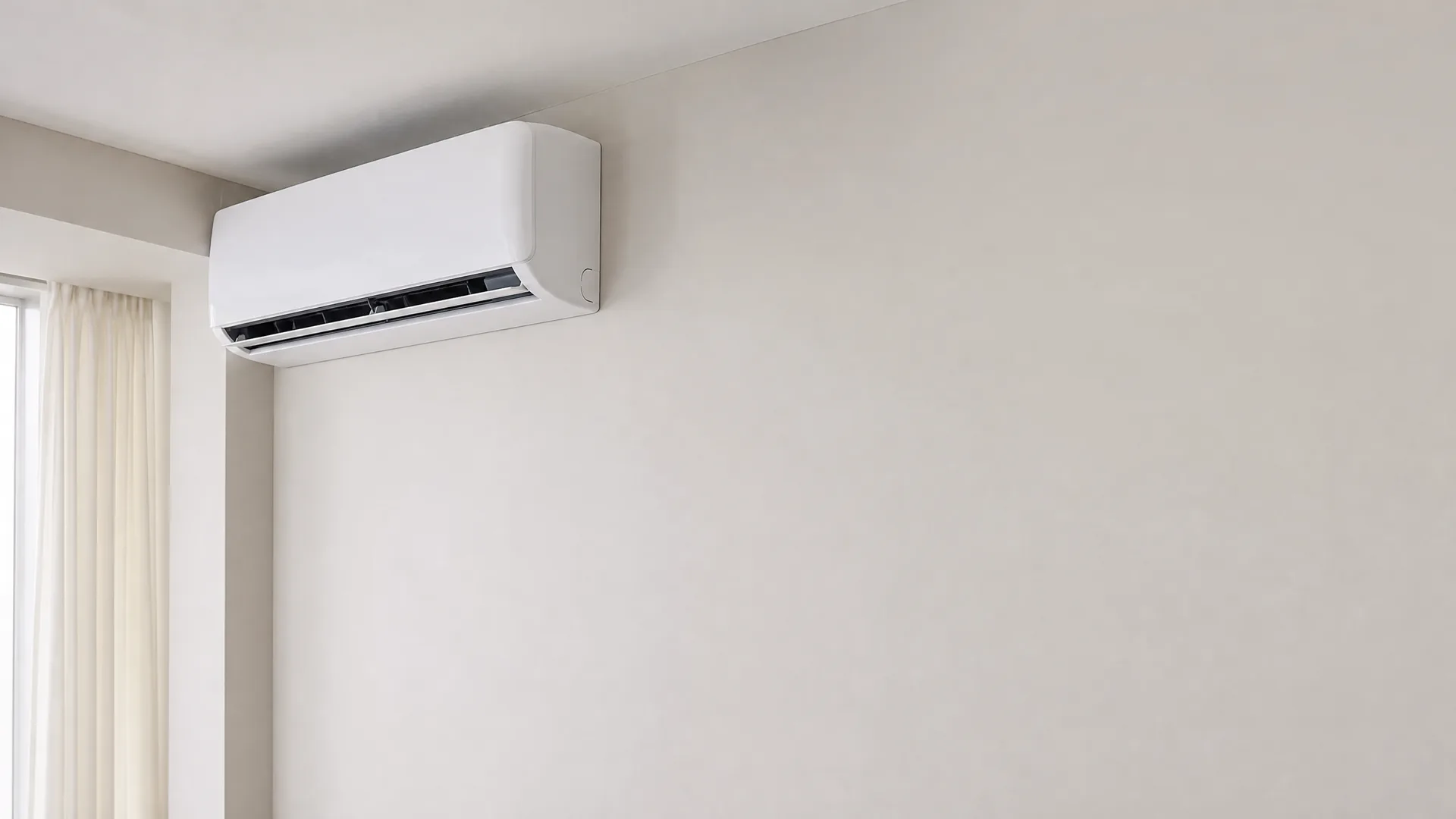
A mini split's compressor has to ramp up from a dead stop every time it cycles on, and in a hard freeze the refrigerant inside is thicker and slower to move. That's the clunk or click you hear right as it kicks on. The outdoor unit may also run a defrost cycle in cold weather, reversing briefly to melt frost off the coil, which can sound like a whoosh or a change in pitch for a few minutes before it switches back.
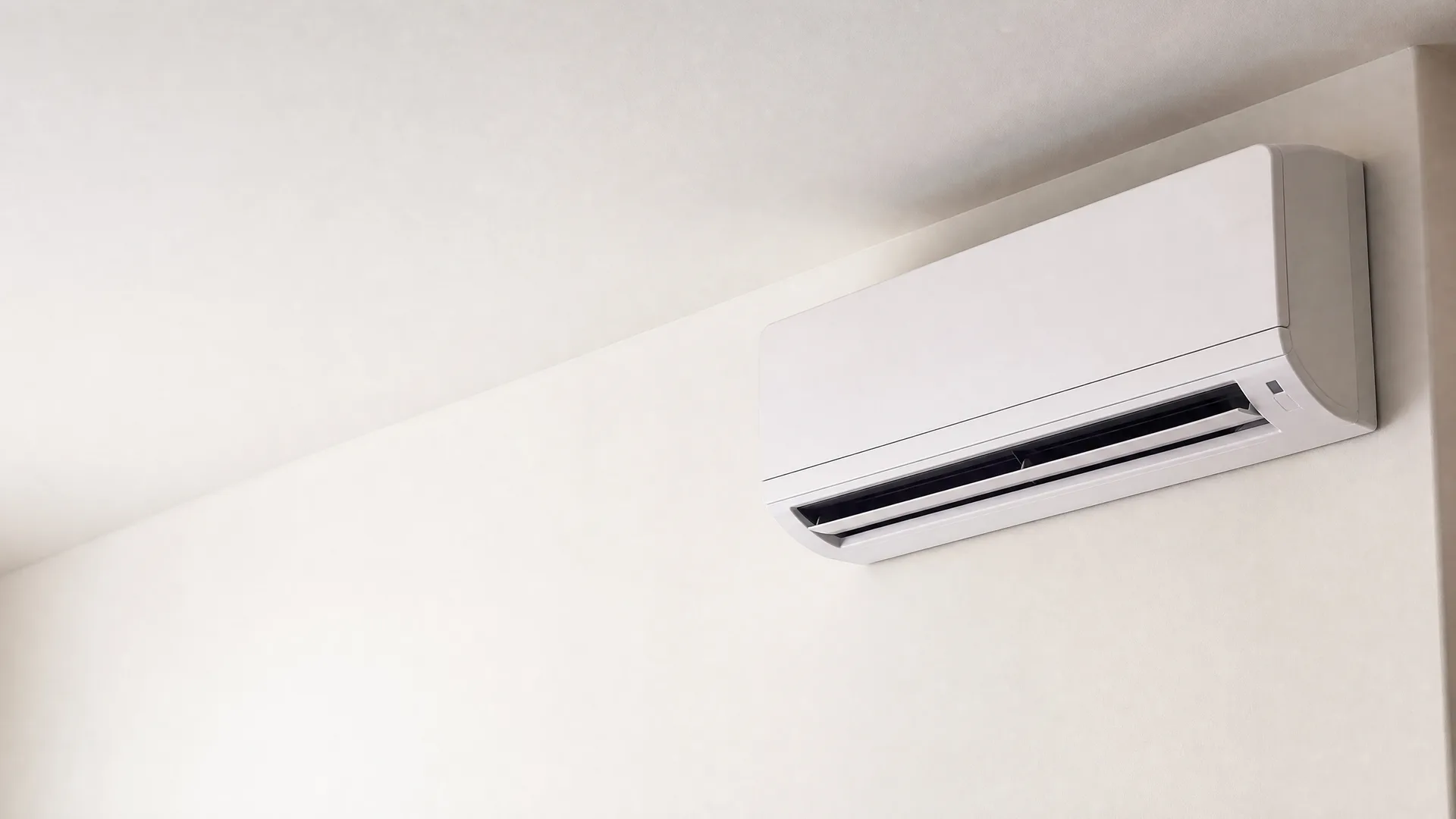
Below freezing, the outdoor coil picks up frost faster than it would on a mild New Mexico night, and the fan behind it has to push through that buildup. A blade catching on ice, or spinning unevenly because of it, shows up as a rattle or a thump that wasn't there in October. Once the unit defrosts itself and the coil clears, that particular noise usually settles back down on its own.

When frost builds up on the outdoor coil, the system reverses itself for a few minutes to melt it off, then switches back to heating. That reversal is what makes the whoosh or hiss you might hear partway through a cold evening, followed by a thunk as the valve switches back. The outdoor fan often slows or stops during this, so the sound changes again. None of that is the unit struggling. It's the sequence working as built, over and over on a hard night, and each switch is a moving part doing exactly what it was designed to do.
What's worth paying attention to is whether the sound changes in character over the winter, not whether it's there at all. A valve that's starting to stick will delay before it switches, or chatter instead of thunking once. A fan motor with worn bearings will hum through the defrost pause instead of going quiet. If you're hearing that shift and want it looked at, a straightforward way to get it checked is to tell us a little about your system, and a contractor who covers your area will follow up to take it from there.


A mini split that's fine to live with hums low and steady once it's past startup. Air moves out of the vents without a whistle. No clunk repeats every few minutes, and nothing rattles when the wind picks up outside.

A front panel caked like this blocks airflow before the air ever reaches the room. The fan works harder to push through it, and that strain shows up as a louder hum or a whine that wasn't there when the unit was clean.





New Mexico summers don't carry much moisture. The average dew point across June, July and August is 45°F, which is dry even by local standards. That dryness isn't what strains a mini split here, but the unit still has to work through the dust those dry months kick up, and whatever gets pulled into the outdoor coil over the summer can sit there into fall. Come the first hard freeze, a coil that didn't get clean airflow all summer is more likely to frost unevenly, and that shows up as extra noise during defrost, a longer hiss or a harder clunk when the system switches back to heating. Source: regional climate normals for New Mexico.
NASA POWER T2MDEW county cells weighted by homes



The mini split sits clean on the wall, vents closed flush, nothing hanging loose. It cycles on, ramps up, and settles into a low hum. You don't walk past it and notice it. On a cold night it does its job without asking for your attention.

Dust has built up across the housing and the vent hood is left open, like it's stuck mid-cycle. That grime works into the louvers and the coil behind them. Paired with the clicks and rattles you've been hearing, it's a unit asking for a repair before the cold pushes it further.
At 14.85 cents per kilowatt-hour, a mini split working overtime on a cold night costs more than one running smooth. A grinding bearing or a clogged coil makes the compressor strain longer to hit the same temperature, and you pay for that extra strain every billing cycle.
EIA-861 2025 statewide residential average
A mini split that's noisy on a cold New Mexico night is usually just telling you something specific: ice on the coil, a worn bearing, a part working harder than it should. The sound isn't random, and it isn't something to just live with until spring. Once you know what's behind the clicking or the grinding, the next move is simple. You don't have to track down who's any good at this or figure out what's wrong yourself before you call. Send the details once, and the search is off your plate. A contractor who handles mini splits will reach out, and you can talk through what you're hearing and let them sort out whether it's frost, a bearing, or something else. You've already done the hard part just by noticing the sound changed. The rest is someone else's job now.

Get the right pro for your mini split